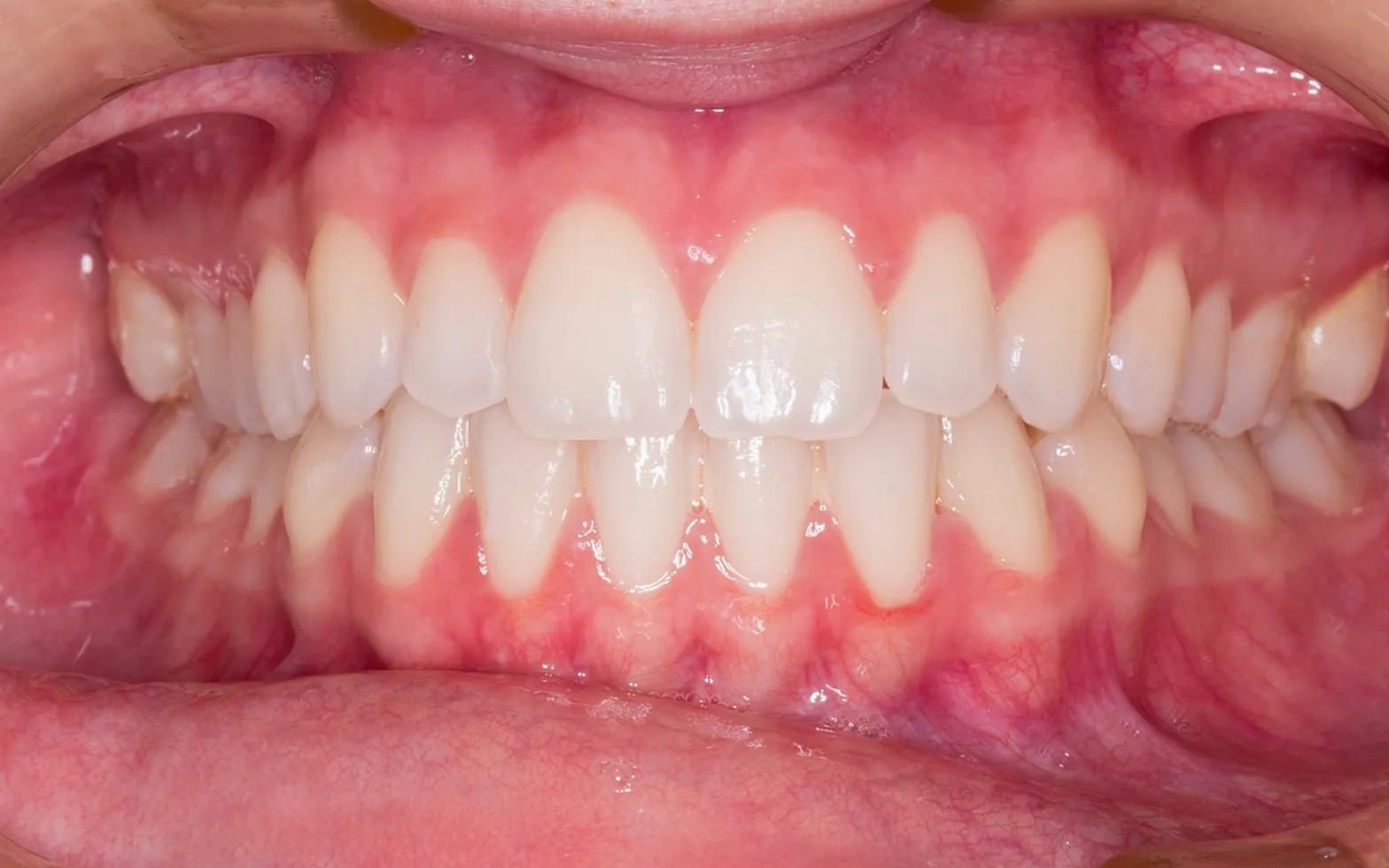
A confident smile is something most people notice before they notice anything else. When teeth are missing, chipped or uneven, it can change how freely someone laughs, speaks or smiles in photos. Smile design is the planning process dentists use to bring function and appearance together — and dental implants are often a big part of it.
What "smile design" really means
Smile design is less about making every tooth perfectly white and more about proportion. A dentist looks at the face as a whole: the line of the lips, the width of the smile, the length of the front teeth and how they relate to the gums. The goal is a result that looks like it belongs to you, not a set of teeth that could belong to anyone.
Planning usually starts with photographs, scans and a conversation about what bothers you most. Many practices then create a digital preview or a temporary mock-up so you can see the proposed changes before anything permanent happens.
Where implants come in
When a tooth is missing, the gap affects more than appearance. Neighbouring teeth can drift, chewing can become uneven, and the jawbone in that area slowly shrinks. An implant replaces the root with a small titanium or ceramic post placed in the bone, which then supports a crown shaped and coloured to match the surrounding teeth.
Because the implant sits in the bone, it can help preserve the shape of the jaw and face — one reason implants are often planned together with cosmetic treatments rather than as a separate repair.
Other tools in the smile-design kit
- Whitening to lift the overall shade before other work is colour-matched
- Veneers or bonding to reshape chipped or uneven front teeth
- Orthodontics or clear aligners to straighten teeth first
- Gum contouring when the gum line is uneven
The order matters: straightening and whitening usually come first, so that crowns and veneers can be made to match the final result.
Choosing who does the work
Implants and cosmetic work combine surgery, engineering and an eye for detail, so experience counts. When you research local practices — a search for a Fort Worth Dentist, for example, will bring up several options in that area — look for clinics that show real before-and-after cases, explain the whole plan in writing and are clear about costs and timelines.
Good questions to ask at a consultation include:
- How many implant cases do you handle, and who places them?
- What does the full treatment timeline look like?
- What happens if a crown chips or an implant needs attention later?
- Which parts of the plan are essential and which are optional?
Healing and long-term care
An implant typically needs a few months to bond with the bone before the final crown is fitted. During that time a temporary tooth can fill the gap. Afterwards, implants are cared for much like natural teeth: brushing twice a day, cleaning between teeth and keeping regular check-ups. Smoking and grinding are the main habits that shorten their life, so it is worth discussing both honestly with your dentist.
A result that feels like yours
The best smile makeovers are the ones nobody notices as "work". When planning, materials and aftercare come together, the result is simply a healthy, comfortable smile you are happy to show — and that is worth taking your time to get right.