The most useful healthy snacks pair some protein or healthy fat with fibre, such as fruit with yoghurt, wholegrain crackers with cheese, or hummus with vegetable sticks. That combination tends to keep you fuller than a snack built only on sugar or refined starch. On active days, a lighter, carbohydrate-based snack an hour or two before exercise and a protein-containing one afterwards fit most routines well.
A simple formula for building a snack
Instead of memorising lists, use this two-part rule and fill in the gaps with whatever is in your kitchen:
| Pick one: protein or healthy fat | Add one: fibre-rich food |
|---|---|
| Greek-style or plain yoghurt | Berries, banana or a sliced apple |
| Cottage cheese | Wholegrain crackers or cherry tomatoes |
| A boiled egg | A slice of wholegrain toast or cucumber |
| Hummus | Carrot, pepper or celery sticks |
| Nut butter | Oatcakes or apple slices |
| A small handful of nuts or seeds | A piece of fruit |
| Cheese | Grapes or a pear |
Healthy snack ideas by situation
Sweet snacks
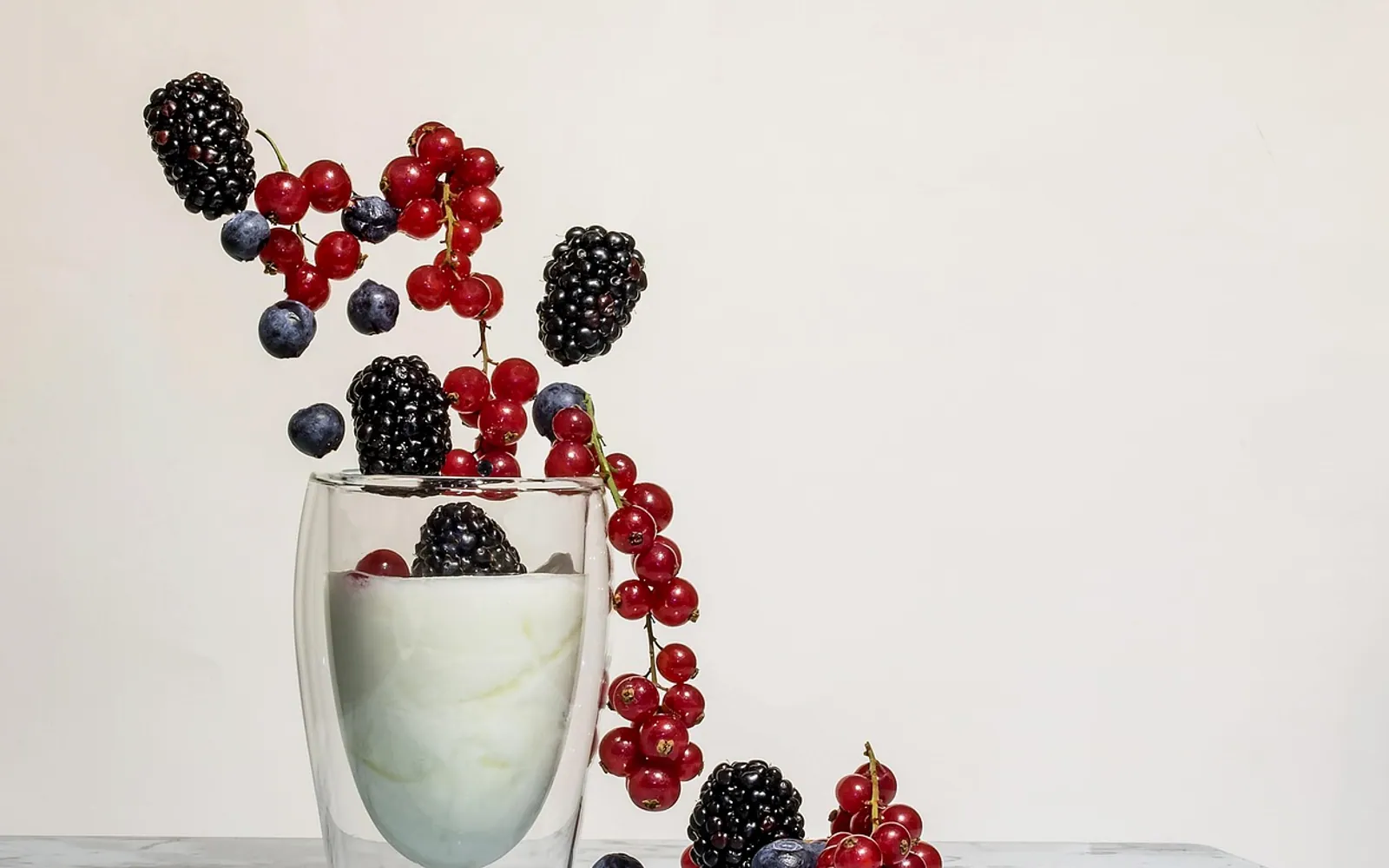
- yoghurt with berries and a sprinkle of oats
- apple slices with peanut or almond butter
- overnight oats in a small jar
- a banana with a few walnuts
- a homemade smoothie with milk, fruit and a spoonful of oats
Savoury snacks
- hummus with vegetable sticks or wholegrain pitta
- cottage cheese on crackers with black pepper and tomatoes
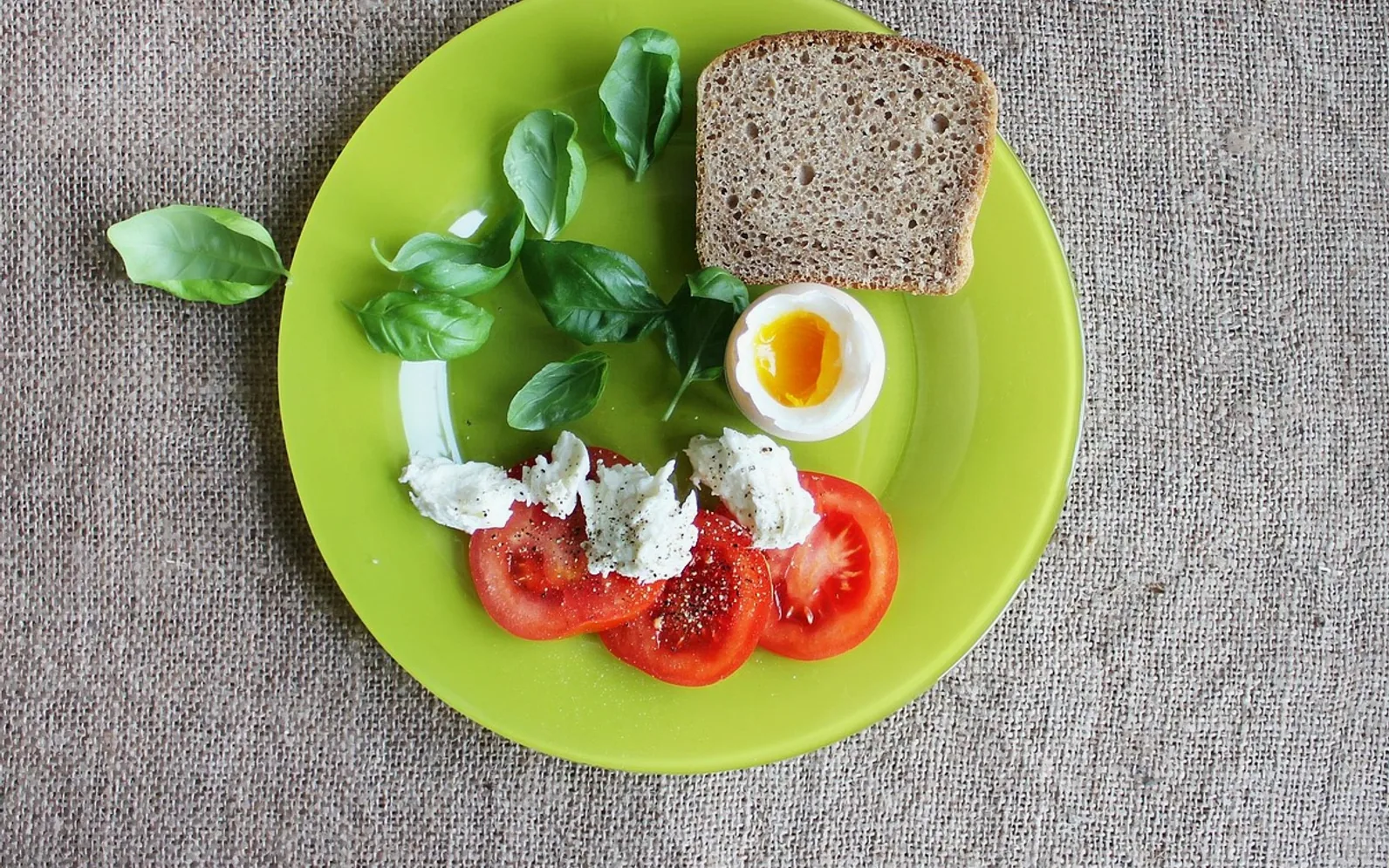
- a boiled egg with a few cherry tomatoes
- roasted chickpeas, seasoned with paprika
- a small portion of leftover chicken or tofu with salad
Snacks for the desk or bag
- a portion of mixed nuts in a small tub
- a piece of whole fruit that travels well, like an apple or a satsuma
- oatcakes and a small cheese portion
- a homemade flapjack with oats and seeds, kept to a modest size
What to eat before a workout
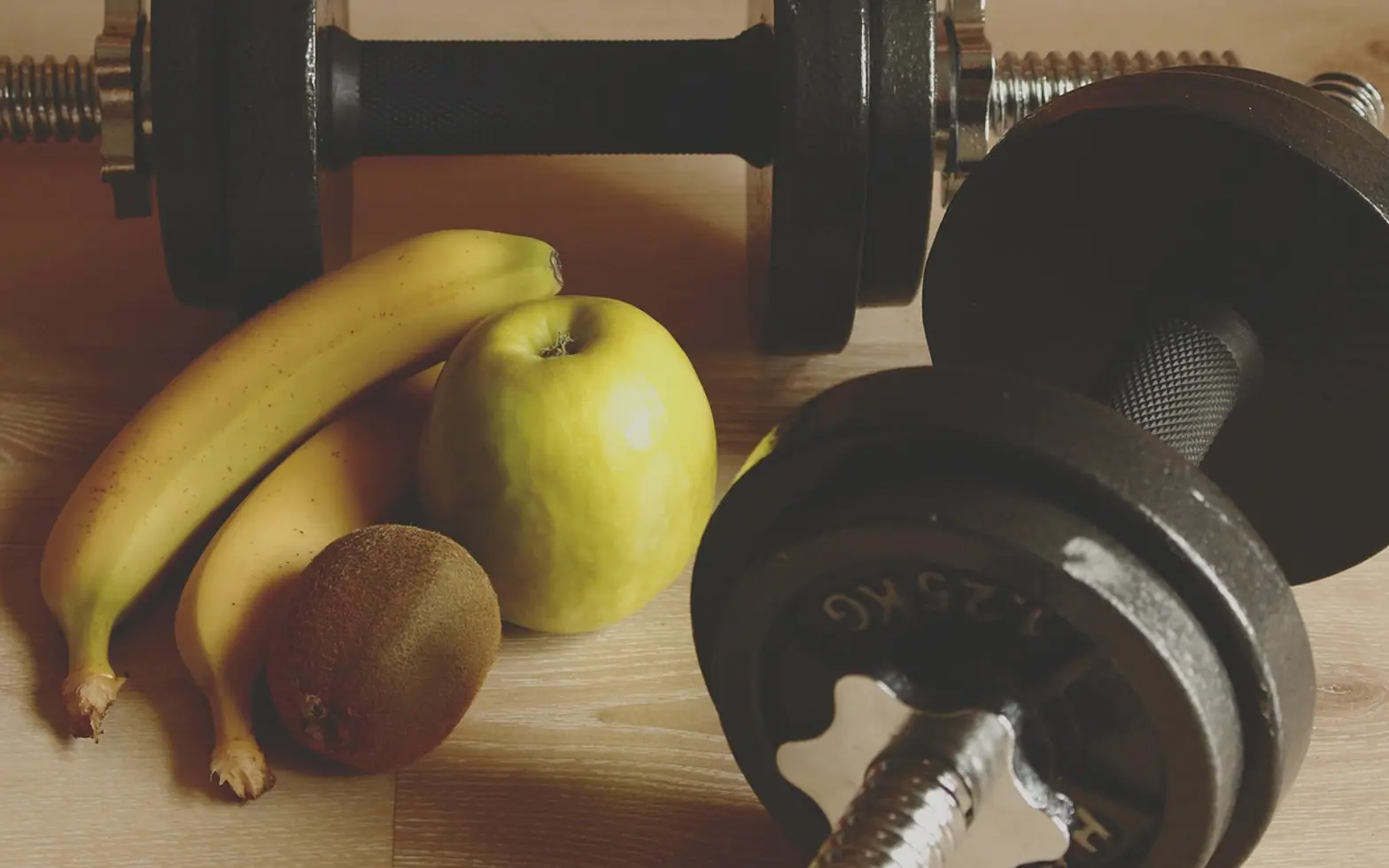
If your last meal was several hours ago, a light snack an hour or two before exercise can help you feel less flat. Choose something mostly carbohydrate-based and easy to digest:
- a banana or a few dates
- a slice of toast with honey or jam
- a small bowl of cereal with milk
- a pot of yoghurt with fruit
Keep fatty, very high-fibre or large snacks for after, since they can sit heavily during exercise. Our article on whether to work out before or after you eat covers timing in more detail.
What to eat after exercise
After a workout, a snack with some protein and carbohydrate helps you refuel, especially if your next meal is a while away. Good choices include:
- a glass of milk and a banana
- yoghurt with granola
- a wholegrain wrap with egg or hummus
- cottage cheese with fruit
Many of the foods in our guide to high-protein breakfast foods double as excellent post-workout snacks.
Snacks for long days out
Hikes, sports days and long shifts call for food that survives a bag for several hours. Wholegrain sandwiches cut into quarters, firm fruit, a tub of mixed nuts and seeds, cheese portions and oat-based bakes all hold up well. Pack more water than you think you need, and on hot days keep anything dairy-based in an insulated bag with an ice pack.
Snacking habits that help
- Plan one snack, not a stream. Decide when your snack fits into the day so grazing does not take over.
- Portion it out. Put a serving in a bowl rather than eating from the packet.
- Check if you are thirsty. A glass of water first sometimes settles a “snack craving”. Our tips on staying hydrated through the day help with this.
- Prep a few options. Boil eggs, wash fruit and chop vegetables at the weekend.
- Eat sitting down. Snacks eaten on the move are easy to forget and repeat.
Common snack traps
- “Healthy” bars and granola: some are high in sugar; check the label and treat them as an occasional option.
- Large portions of nuts or dried fruit: nutritious, but easy to overdo because they are small and dense.
- Sugary drinks and fruit juice: they add up quickly and do little for fullness.
- Skipping meals and relying on snacks: snacks work best as bridges between regular meals.
A note on individual needs
Allergies, intolerances, diabetes and other health conditions can change what makes a good snack for you. If you have specific dietary needs, a registered dietitian or your GP can give personal advice. For everyone else, simple and regular beats perfect.
Quick answers
Is snacking good or bad for you?
Neither by itself. Planned snacks that include protein and fibre can keep energy steady; frequent grazing on sweets tends to do the opposite.
How big should a snack be?
Big enough to take the edge off hunger until your next meal, but smaller than a meal. Your activity level and appetite on the day are good guides.