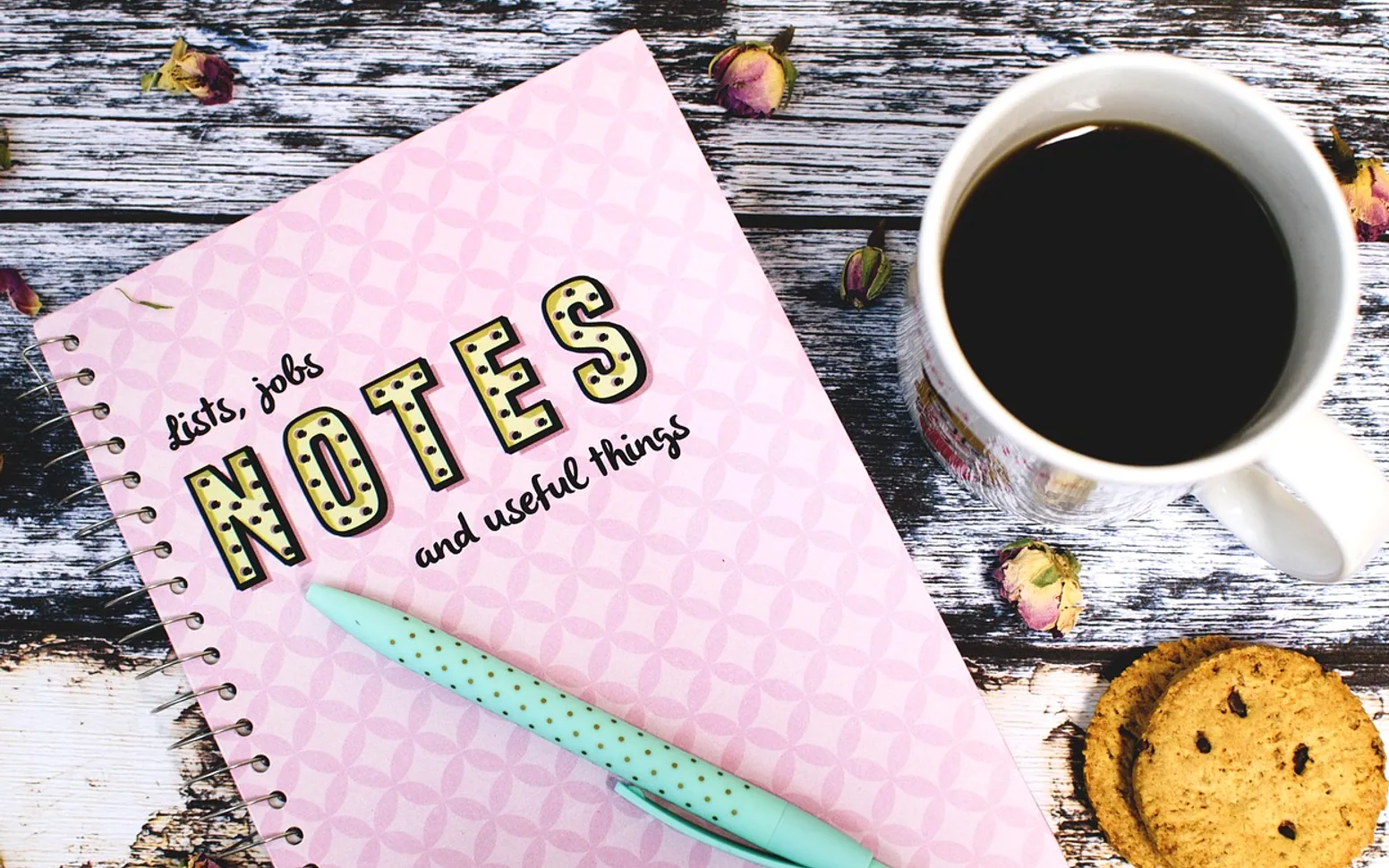
A food diary is a simple record of what you eat and drink, when, and in what kind of situation. Kept honestly for a week or two, it shows patterns that are hard to see from memory: long gaps that end in a raid on the biscuit tin, drinks that add up, or meals that keep you full for hours. The most useful diaries are quick to fill in and focus on noticing, not on judging every bite.
Why keep a food diary?
Most of us underestimate how much grazing, tasting and sipping happens in a normal day. Writing things down replaces guesswork with a clear picture. People keep one for different reasons:
- to see how meals and snacks fit around work, family and exercise
- to spot why energy dips at certain times of day
- to support a weight goal agreed with a health professional
- to look for links between particular foods and symptoms such as bloating, ideally with a doctor or dietitian
- to check whether training days are fuelled well enough
What to write down
Start simple. You can always add detail later if it proves useful.
| Column | Example | Why it helps |
|---|---|---|
| Time | 10:45 | Shows gaps and late-evening eating |
| What and roughly how much | Two slices of toast, peanut butter | Gives the overall picture |
| Where and with whom | At desk, alone | Reveals habits tied to places |
| Hunger before (1–5) | 4 | Separates real hunger from habit |
| Mood or situation | Rushed, before a meeting | Links eating with stress or boredom |
| Activity that day | Morning walk, evening workout | Connects food with training |
Drinks belong in the diary too, including coffee with milk, juice and alcohol. Our guide to staying hydrated through the day is worth reading alongside it.
Paper, notes app or tracking app?
- Paper notebook: quick, private and free of distractions. Good for noticing habits and feelings.
- Notes app on your phone: always with you; jot entries in a single line.
- Photo diary: snap each plate and add a few words at the end of the day. Surprisingly effective for busy people.
- Nutrition tracking apps: useful if you want estimates of nutrients, but the numbers are approximate and the logging can become time-consuming.
Pick the one you will actually keep up. A rough diary filled in every day beats a detailed one abandoned on Wednesday.
How to keep it going
- Record as you go. Notes written at bedtime miss things. A few seconds after each meal works better.
- Include weekends. Habits often change completely on days off.
- Be honest, not perfect. “Handful of crisps” is fine. Precision matters less than consistency.
- Set a time limit. One to two weeks is usually enough to see patterns.
- Review once a week. Sit down with the notes and look for themes rather than single meals.
What to look for when you review
- Long gaps: skipping breakfast or lunch often leads to big, fast evening meals. A protein-rich breakfast can help steady the morning.
- Repeating triggers: the same time, place or feeling before unplanned snacks.
- Training-day fuel: whether you are eating enough around workouts, or leaning on sweets afterwards.
- Vegetables and fruit: how often they appear across the week.
- Drinks: how much comes from sugary or alcoholic options.
Then choose one or two small changes, such as adding a planned afternoon snack or prepping lunch the night before, and keep the rest as it is. Our list of healthy snack ideas for active days offers simple swaps.
Using a food diary for weight goals
Many people keep a food diary for weight loss, and it can be a helpful tool. It builds awareness, which makes portion sizes and regular meal timing easier to manage. Try to keep the focus on habits rather than strict numbers, and avoid cutting out whole food groups without advice. A GP or registered dietitian can help set realistic targets, especially if you have a medical condition, take regular medicines, or are pregnant or breastfeeding.
When food tracking is not a good idea
For some people, recording everything they eat can feed anxiety, guilt or very rigid rules. If you notice that the diary makes you feel worse about food, that you are skipping meals to “keep the numbers down”, or that you have had an eating disorder in the past, stop tracking and talk to your doctor. Support is available, and there are gentler ways to build healthy habits.
Quick answers
Do I need to weigh my food?
No. Household measures and descriptions such as “small bowl” or “palm-sized piece” are enough for most purposes.
How long should I keep a food diary?
Two weeks is a good first run. Some people return to it for a few days whenever routines change, such as a new job or training plan.