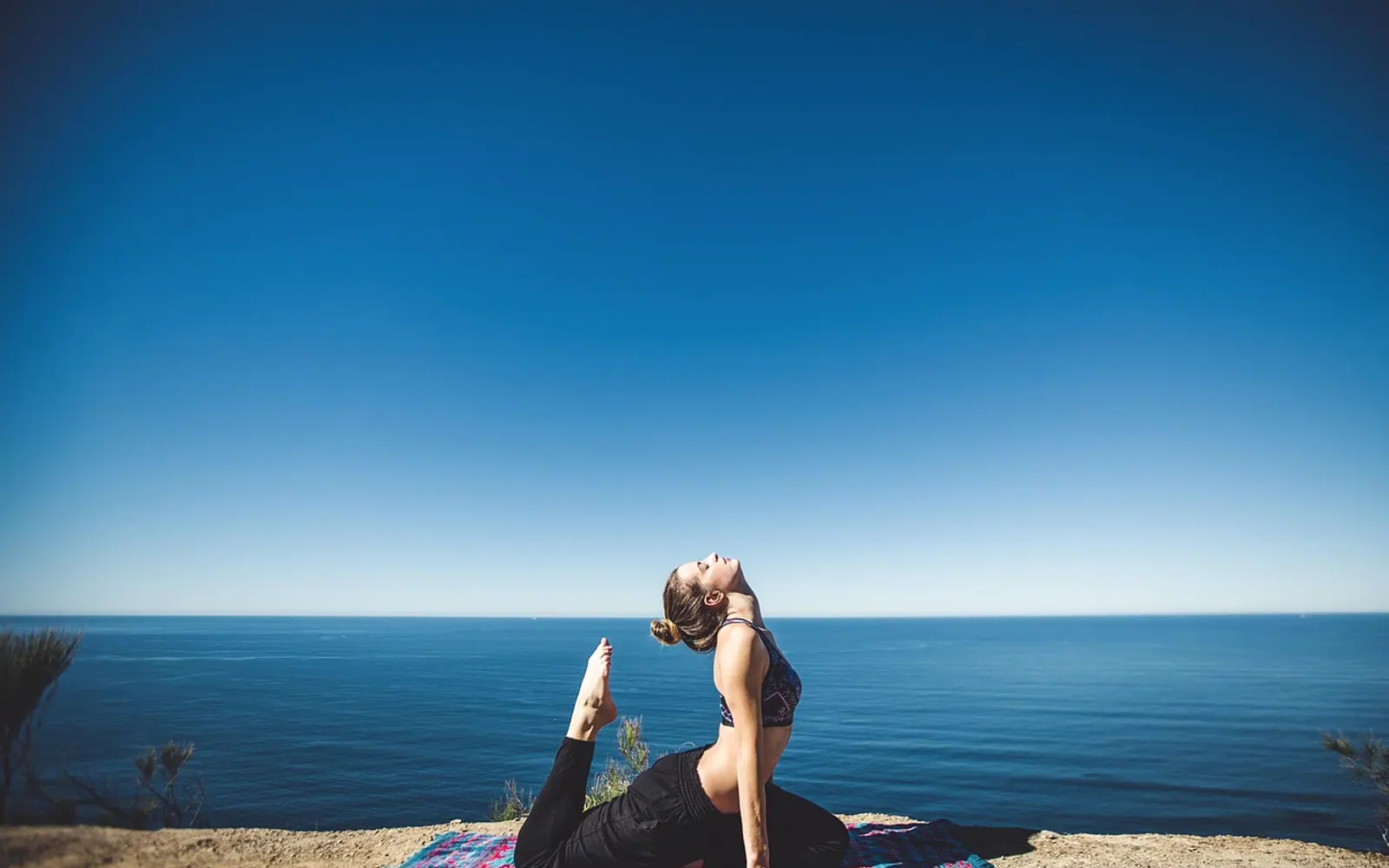
Rest days are when your body adapts to the training you have done. That doesn’t mean you have to stay perfectly still. Many people feel better with some light, easy movement — often called active recovery — as long as it stays genuinely gentle.
What counts as “easy”?
A good rule of thumb: you should be able to hold a conversation throughout, and finish feeling better than when you started. If you are out of breath or your legs feel heavy, it’s no longer a rest day.
Ideas for an active rest day
- A relaxed walk: twenty to forty minutes at an easy pace, ideally outdoors. Our tips on walking more without thinking about it make this easy to slot in.
- Mobility work: slow joint circles for the neck, shoulders, hips and ankles.
- Stretching: a short session such as our beginner stretching routine.
- Easy cycling or swimming: low-impact movement that keeps the effort light.
- Gentle yoga: a beginner or restorative class rather than a demanding one.
When full rest is the better choice
Sometimes the best thing is to do nothing structured at all. Take a complete rest day if you feel run-down, are sleeping badly, have an illness or injury, or your motivation has disappeared. Our guide to rest days done right covers the bigger picture, including sleep and food.
Don’t forget the basics
Rest days are a good time to catch up on sleep, eat regular balanced meals and drink enough fluids. These do as much for recovery as any exercise.
A note on soreness
Some muscle soreness a day or two after a new workout is common. Pain that is sharp, gets worse, or comes with swelling deserves rest and, if it doesn’t settle, a check with a doctor or physiotherapist.