Menopause is a natural stage of life, but that does not make it easy. Hot flushes, restless nights, mood changes and stiff joints can arrive together and stay for years. Alongside treatments a doctor may suggest, many women look at supplements to help them feel more like themselves. The shelves are crowded and the claims are loud, so it helps to approach the topic calmly.
This article is general information, not medical advice. Check with your GP or pharmacist before starting any supplement, especially if you take other medicines or have a health condition.
Start with the symptom, not the bottle
Before choosing anything, write down which symptoms bother you most and when they happen. Night sweats that wreck your sleep call for a different conversation than low mood or aching knees. A short symptom diary over two or three weeks is also very useful when you speak to a doctor, because it shows patterns that are easy to forget in an appointment.
Supplements women often ask about
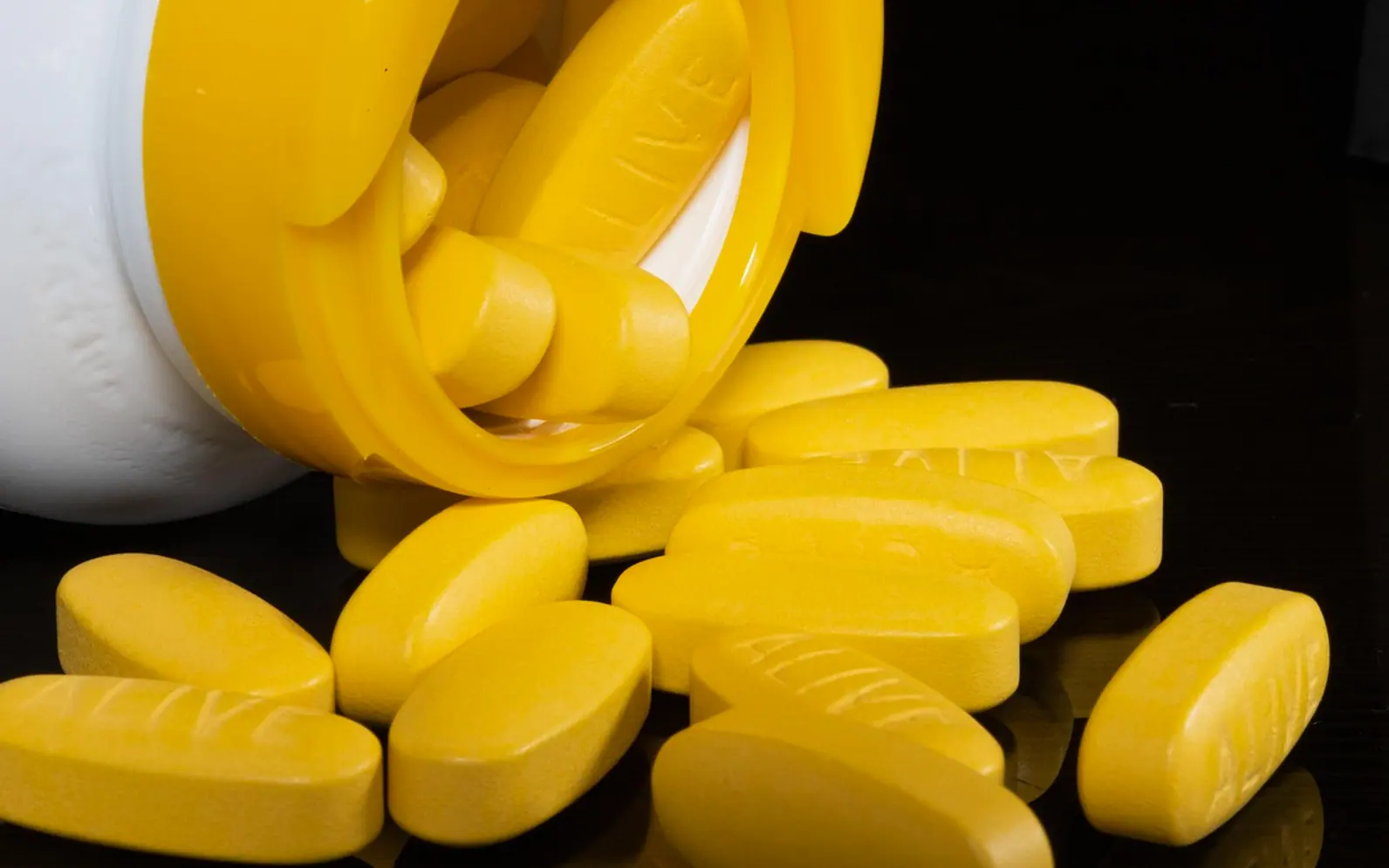
A few names come up again and again in conversations about menopause. Evidence for most of them is still limited or mixed, and results vary a lot from person to person:
- Plant-based compounds such as soy isoflavones and red clover, often chosen for hot flushes
- Antioxidant extracts like resveratrol or pine bark, marketed for general wellbeing
- Omega fatty acids, which some women use for dryness and comfort
- Calming herbs such as hops, typically aimed at sleep
- Vitamin D and calcium, which doctors often discuss because bone health becomes more important after menopause
Round-ups of natural menopause supplements can help you see what is available, but treat any "top picks" list as a starting point for questions rather than a recommendation for you personally.

Questions to ask before you buy
- Could this interact with anything I already take, including blood thinners or hormone treatment?
- Is it suitable if I have a history of breast cancer, thyroid issues or liver problems?
- Does the brand publish independent testing and clear ingredient amounts?
- How long should I try it before deciding whether it helps?
Introduce one product at a time. If you start three at once and feel better — or worse — you will not know which one made the difference.
Habits that support whatever you choose
Supplements work best on top of a steady routine, not instead of one. Many women find that these everyday changes help with several symptoms at once:
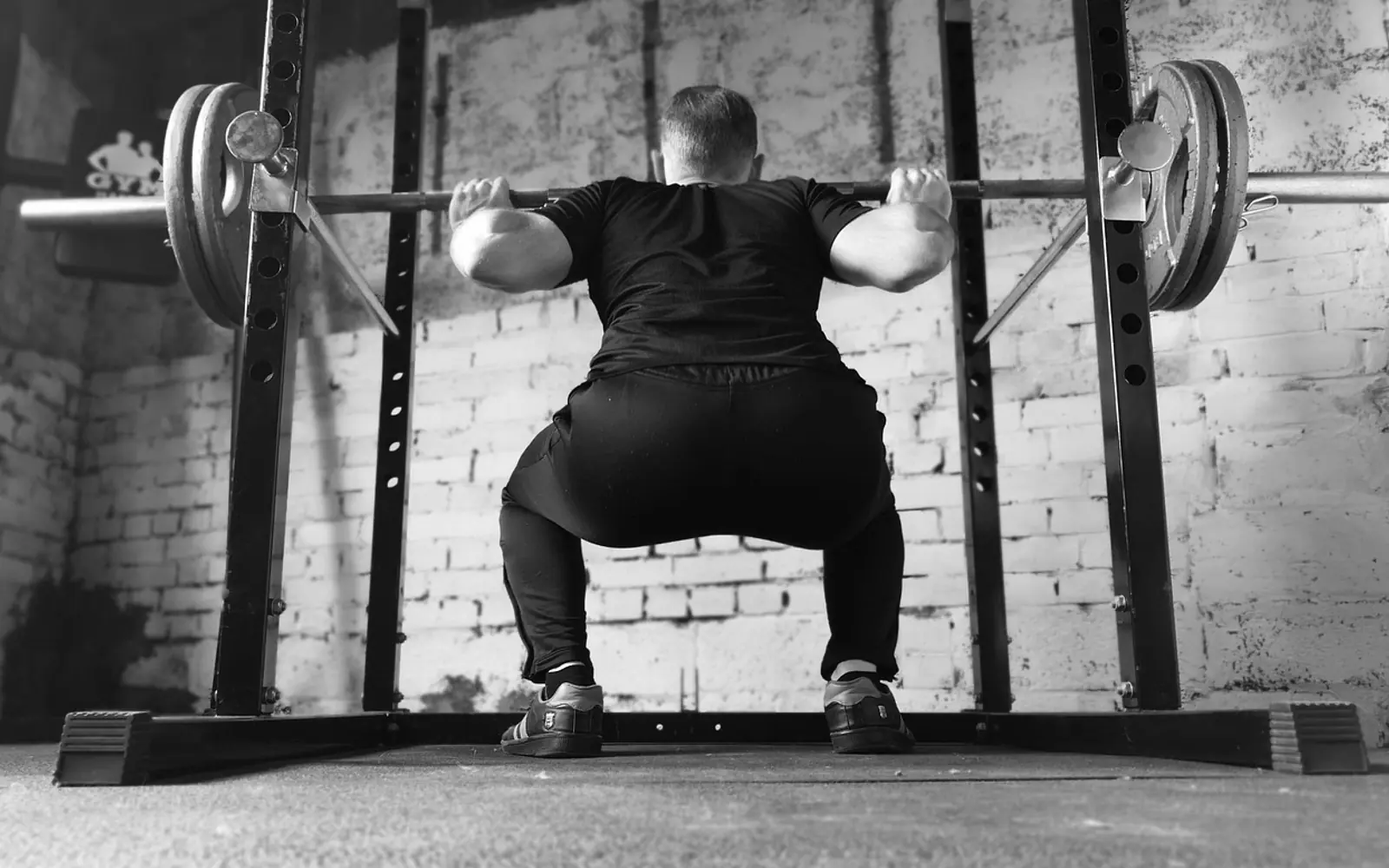
- regular movement, including strength training for bones and muscles
- a cooler bedroom, breathable bedding and a consistent bedtime
- cutting back on alcohol and late caffeine, which can trigger flushes
- plenty of protein, fibre and calcium-rich foods
- a few minutes of slow breathing when a hot flush starts
When to see a doctor
If symptoms are affecting your work, relationships or sleep, it is worth booking an appointment rather than experimenting alone. Effective medical treatments exist, and a doctor can help you weigh them against supplements and lifestyle changes. Seek advice promptly for any unexpected bleeding after menopause, severe low mood or symptoms that suddenly change.
Your journey, your pace
There is no single right way through menopause. Some women need very little support; others benefit from a combination of approaches. Gathering good information, changing one thing at a time and keeping your doctor in the loop is the surest way to find what works for you.